
Incredible PelviQ Pro™
Reclaim Everything You Have Lost Below
The pelvic floor is one of the most undertreated and overlooked muscle groups in the human body. Until now, strengthening it required patience, discipline, and guesswork. The Incredible PelviQ Pro™ changes that entirely.
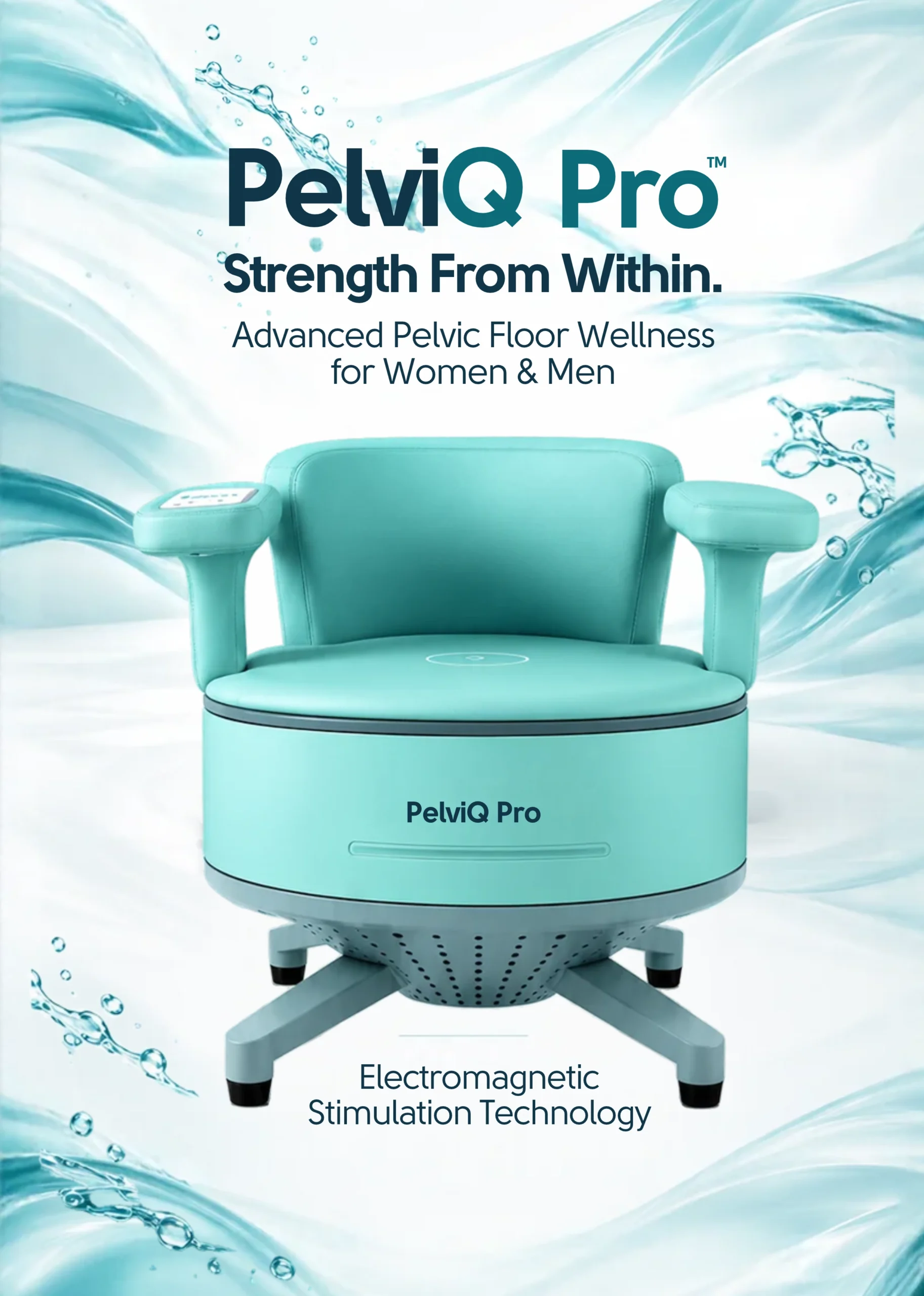
Focused Stimulation for the Muscles That Support Everyday Confidence
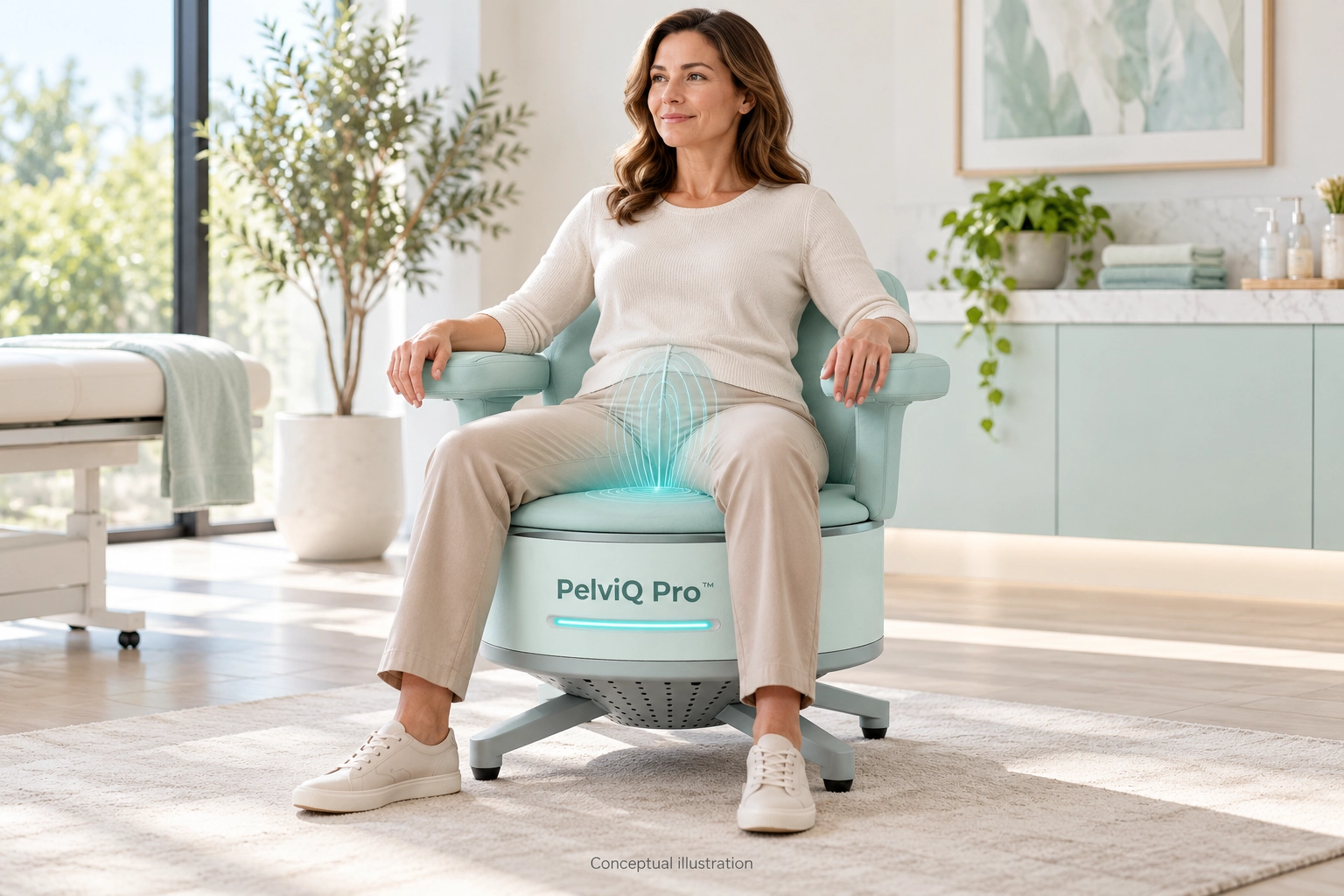
The Health Canada-Licensed Incredible PelviQ Pro™ uses Focused Electromagnetic Pulses to stimulate the pelvic floor neuromuscular system. The resulting muscle activity is Supramaximal Contractions: strong, repeated contractions induced by the device rather than performed voluntarily by the client. This stimulation is intended to support pelvic floor muscle strengthening and neuromuscular control through a seated treatment format.
The Incredible PelviQ Pro™ gives your Medspa the Clinical & Aesthetic Technology to close that gap with a Zero-Downtime, Fully Clothed & Non-Invasive Protocol that patients actually complete.
Millions Suffer in Silence. It Doesn't Have to Be That Way!
A cough that prompts a pause. A workout avoided. A social plan made around the nearest washroom. A conversation about intimacy that never quite happens.
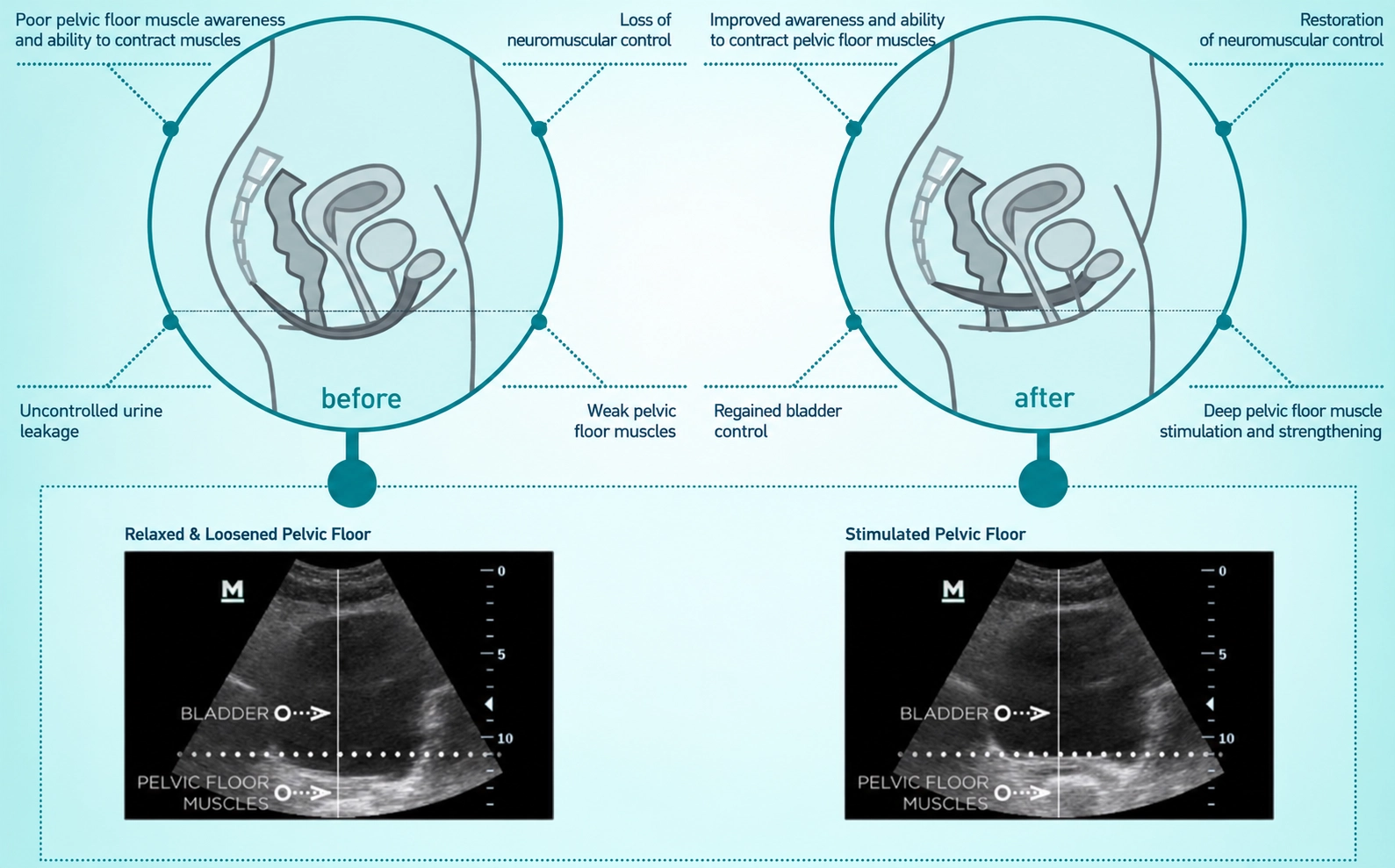
The pelvic floor is a hammock of muscles, ligaments, and connective tissue that supports the Bladder, Bowel, and Uterus. When it weakens — through Childbirth, Aging, Hormonal Changes, or Inactivity — the consequences touch nearly every dimension of daily life.
Most people accept these symptoms as an unavoidable part of getting older. They manage. They compensate. They stay quiet. But weakness in the pelvic floor is not a life sentence — it is a treatable, addressable condition that responds powerfully to the right intervention.
A Conversation Worth Starting
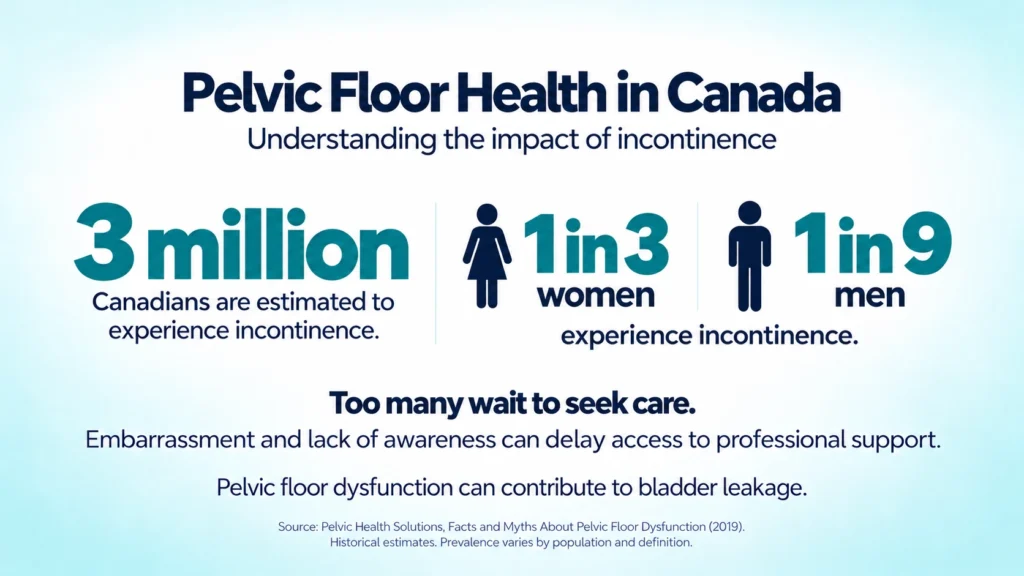
A nationally representative survey of 1,000 Canadian adults, published in 2020, found:
Of adults surveyed reported urinary incontinence, nearly one in four.
Of respondents with urinary incontinence had initiated a discussion with a healthcare provider about their urinary symptoms.
Of all respondents knew what help was available.
Source: Shaw, Cahill and Wagg, Canadian Journal of Urology, 2020.
These findings highlight the importance of clear information, respectful conversations, and appropriate assessment. Being common does not make urinary leakage something a person has to ignore.
How the Chair Works
An electromagnetic applicator sits at the heart of the chair. Rather than requiring physical contact between an applicator and the patient’s body, it is built directly into the seat cushion.
Following screening and positioning by the provider, the client sits with the pelvic area aligned over the chair’s treatment zone. Clothing remains on throughout the session.
Deliver Focused Electromagnetic Stimulation
The chair produces electromagnetic pulses intended to stimulate the pelvic floor neuromuscular system and trigger repeated muscle contractions.
The electromagnetic energy penetrates deeply through clothing and tissue to reach motor neurons — the command centers of your muscles. This bypasses the need for conscious effort entirely, reaching fibres that voluntary exercise simply cannot recruit.
A Different Pattern of Muscle Activation
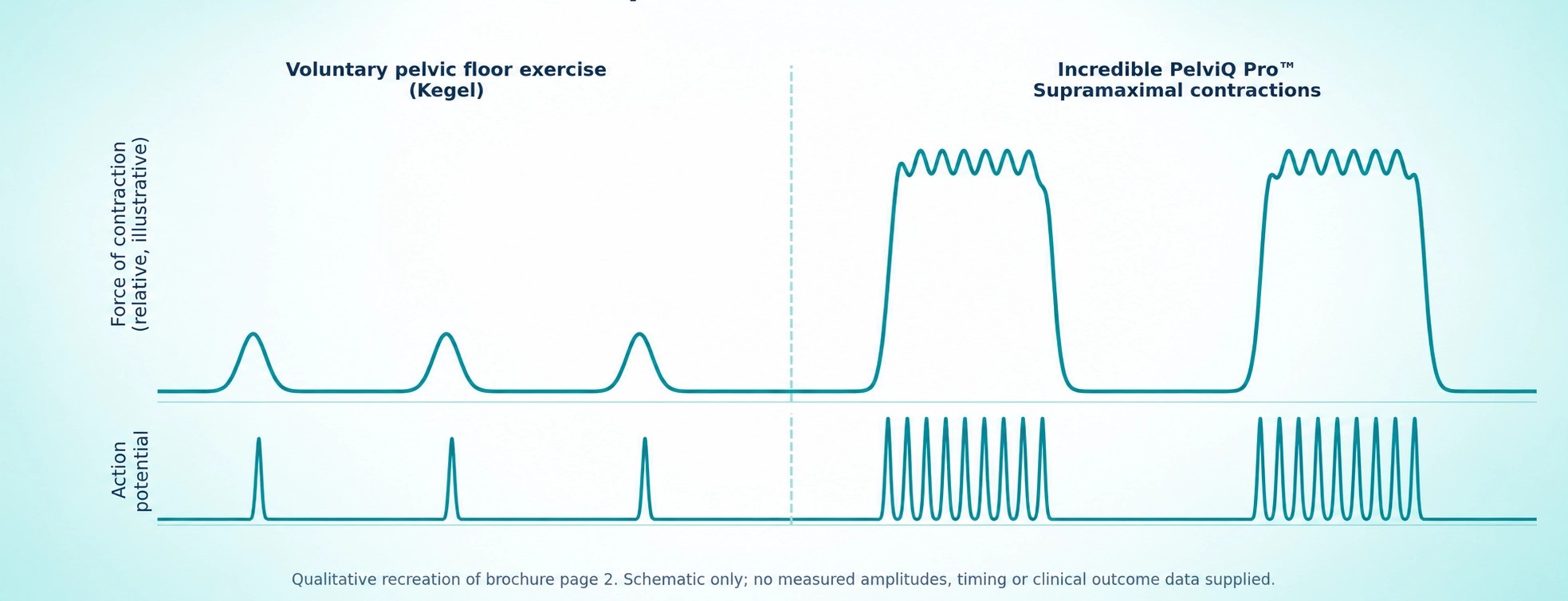
Voluntary Kegel exercises depend on a person’s ability to locate, contract, and relax the pelvic floor muscles.
Incredible PelviQ Pro™ induces repeated supramaximal contractions. The stimulated muscles undergo rapid, high-frequency contractions far beyond what any voluntary movement can achieve. The pelvic floor responds to this extraordinary demand by rebuilding, remodelling, and dramatically increasing in both strength and endurance.
Take A Seat and Let Technology Do the Work
A single seated appointment.
The equivalent delivered per session.
Applications – Pelvic Wellness Across
Different Stages of Life

Bladder-Control Concerns
Leakage during coughing, laughing, or physical activity may prompt an assessment of sphincter and pelvic floor function. For appropriately selected clients, muscle stimulation may be considered within a clinician-directed care plan.

Finding Support After Surgery
Changes in bladder control after hysterectomy deserve individual attention. Once healing is complete, a clinician may consider muscle stimulation for assessed pelvic floor muscle weakness.

A New Chapter After Pregnancy
Pregnancy places additional demands on pelvic support muscles. After delivery and recovery, clinical assessment can guide appropriate rehabilitation. Muscle stimulation should be avoided during pregnancy.
Rebuilding Confidence After Birth
Coughing, lifting, or exercising after childbirth may reveal bladder leakage. Following recovery, an individualized rehabilitation plan may include muscle stimulation when clinically appropriate for you.
A Clearer Path to Urinary Care
Pain or urinary discomfort linked to stones needs urological evaluation. Although muscle stimulation cannot treat stones, separately assessed pelvic floor weakness may warrant additional care.

Pelvic Wellness Around Menopause
Changes around menopause can bring bladder and pelvic health concerns into focus. A private assessment can help identify muscle-related concerns and determine suitable care.
Men's Pelvic Floor Wellness
Men also experience urinary leakage and pelvic floor concerns. Clients with prostate-related symptoms or a history of prostate treatment need medical assessment before device treatment is considered.

Intimate Wellness Conversations
Pelvic muscle concerns can overlap with confidence and intimacy concerns. A respectful consultation can explore these issues and identify when further evaluation is needed.
Thoughtful Treatment Design.
A More Approachable Experience

An Integrated Display. A Self-Contained Chair
Format
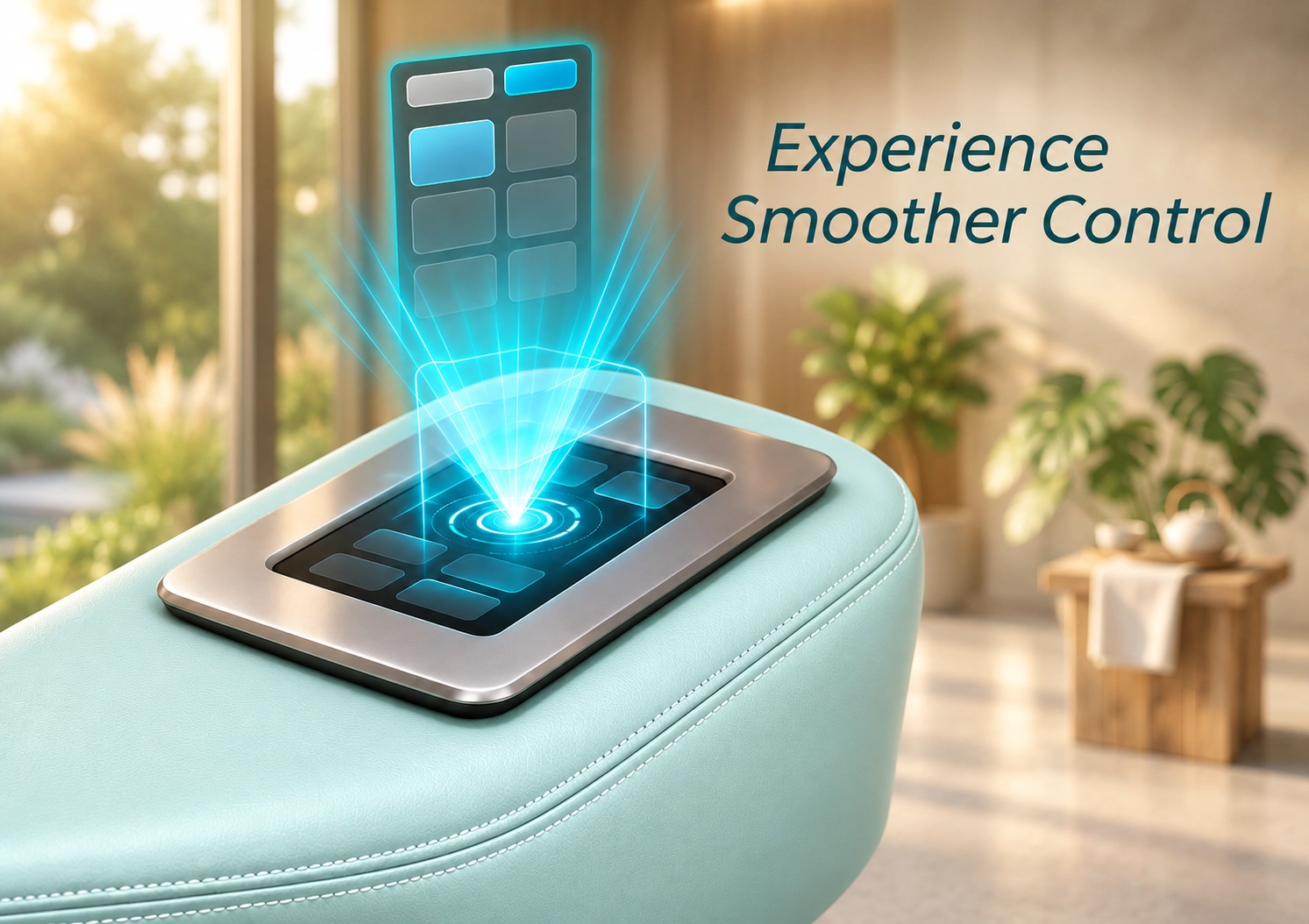
Incredible PelviQ Pro™ has an integrated touchscreen that puts session controls within easy reach. Its clear layout presents male and female selections alongside treatment menus, helping practitioners navigate available settings. Positioned on the armrest, the display keeps controls conveniently accessible while the client remains seated.
Why Consider It for Your Aesthetic Practices and Medspas?
Care That Goes Beyond the Surface
A discreet pelvic wellness service can create space for a more complete conversation about how they feel in everyday life.
A Familiar Environment for a Sensitive Subject
A private consultation and fully clothed treatment format can make appointments more approachable. The quality of the conversation matters as much as the setting.
Electromagnetic Pelvic Floor Chair
Focused High-Frequency Electromagnetic Pulse
30 minutes
6 sessions constitute a complete cycle · Suitable for all genders
Fully automatic, hands-free
Bring the Conversation Forward - Make Incredible PelviQ Pro™ Your Next Seat at the Practice
Introduce a discreet pelvic wellness experience built around focused technology, fully clothed sessions, and more personal conversations about confidence.
FAQs
A changing magnetic field stimulates motor nerves, triggering pelvic floor muscle contractions while the client remains seated. The aim is to support muscle rehabilitation without requiring each contraction to be performed voluntarily.
These symptoms may indicate stress urinary incontinence. Electromagnetic stimulation has been studied for this problem, but suitability depends on assessment. Supervised pelvic floor muscle training remains a recommended first treatment for women. (PubMed)
Urgency, frequency, and leakage require assessment before treatment selection. Magnetic stimulation has been studied for urgency incontinence, but practices should follow device-specific indications and recommend established options such as bladder training.
It may be considered after recovery and clinical clearance when muscle weakness contributes to leakage. A small trial studied electromagnetic stimulation alongside pelvic floor exercises, but larger studies are needed to establish its added benefit. (PubMed)
Assessment can identify whether muscle weakness contributes to symptoms. However, menopause-related dryness, irritation, and urinary changes may also involve hormonal tissue changes. Muscle stimulation should not be presented as addressing every menopause-related concern.
Men may benefit from pelvic floor rehabilitation for problems such as urinary leakage or dribbling. A clinician should establish the cause and determine whether exercises, chair-based stimulation, or another approach is appropriate.
Pelvic floor function can influence sexual function, and muscle training may help some people. However, that does not establish this chair as a treatment for erectile dysfunction, low desire, or painful intimacy.
Every client needs screening. Pregnancy, implanted electronic devices, and certain metal implants are important concerns with electromagnetic treatments. Suitability must follow this device’s own instructions and contraindications, particularly after surgery or childbirth.